
My gosh, how quickly these seven weeks have gone. And we only just scratched the surface.

Source: Giphy.com
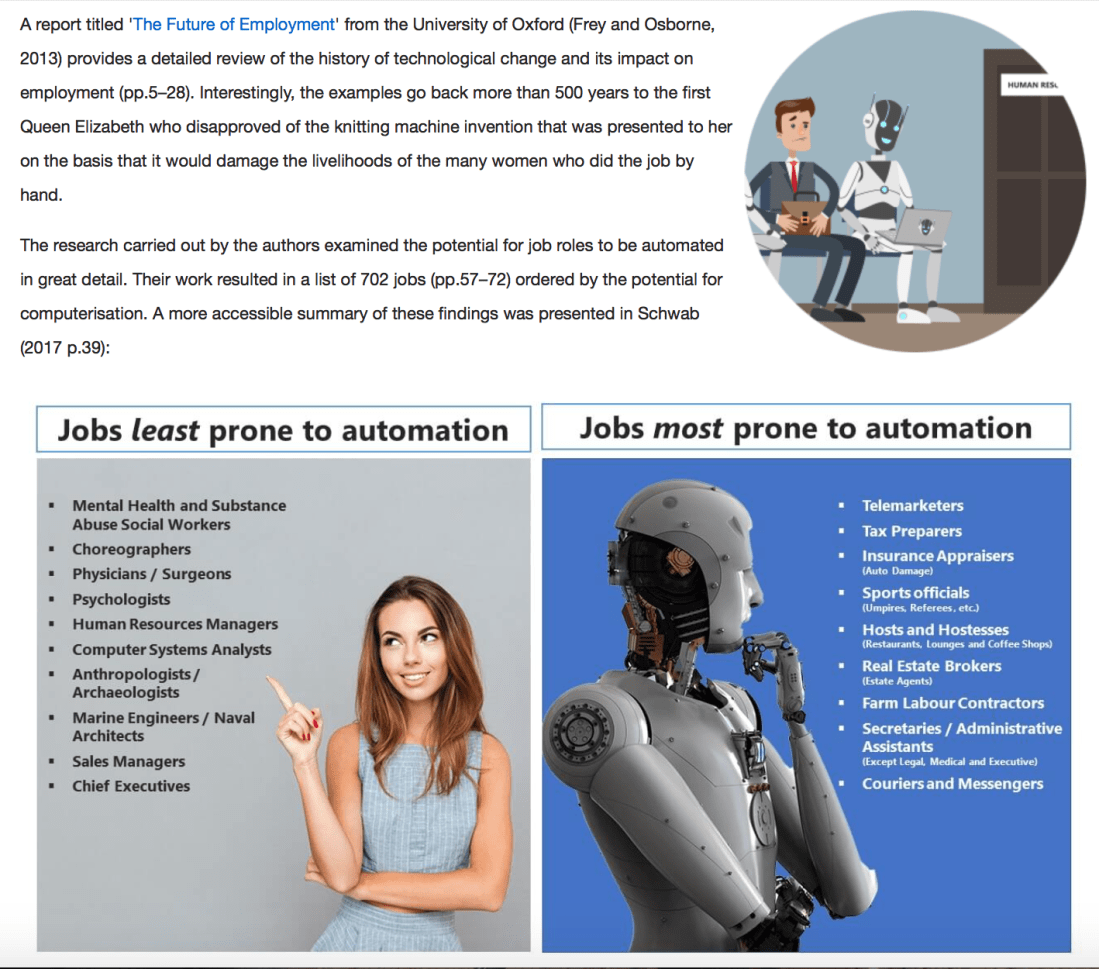
Without a doubt, this module has been eye-opening for me. Not only have I learnt that my current career path is a job most prone to automation according to a report titled ‘The Future of Employment’ from the University of Oxford (1) but digitalisation is transforming our world.
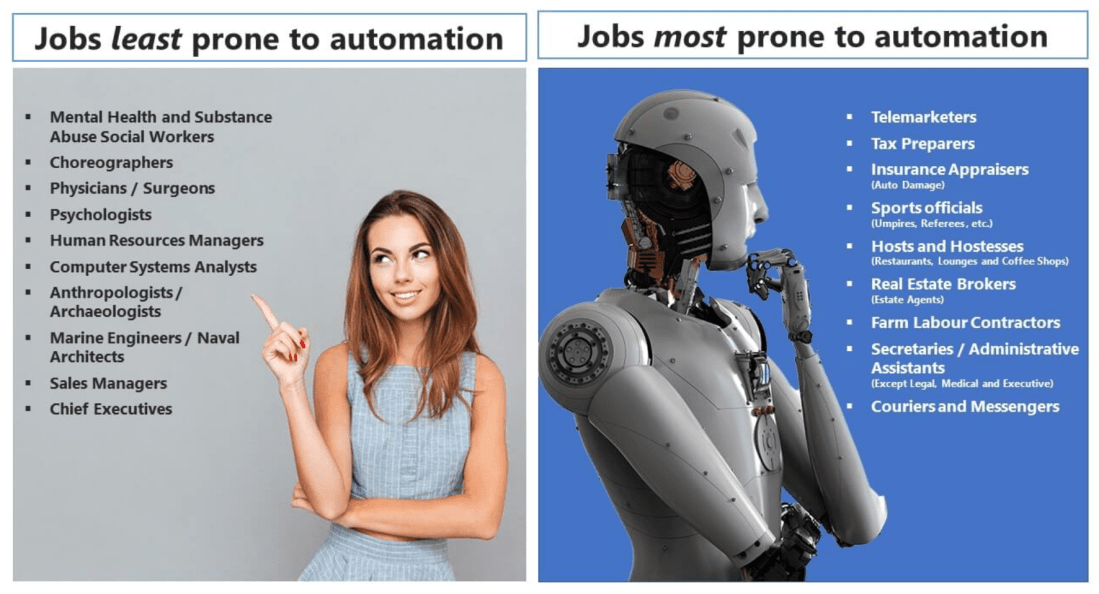
Seeing how the move toward smart cities, becoming digital nomads and the desire for flexible workspaces are changing our physical landscapes, mindsets and needs. As we move toward more flexibility and mobility (a necessity for job fluidity) our economy is also progressing. As Rachel Botsman (2) talked about in her Ted Talk, institutional trust is just not working, we are fed up with the audacity of dishonest elites. What is happening now, we are starting to realise that institutional trust was not designed for the digital age. In the digital age ratings and online trust impact on abilities to transact (E.g Airbnb ratings) in the future and therefore make us more accountable in ways, we cannot imagine. In addition to this, we are moving away from an industrial economy toward a circular economy. “Digital technologies, and in particular internet-connected devices, are key enablers of circular economy initiatives. A report by McKinsey in 2015 estimated that 30 billion devices will be connected through the web by 2020, providing entirely new business opportunities.” (3)
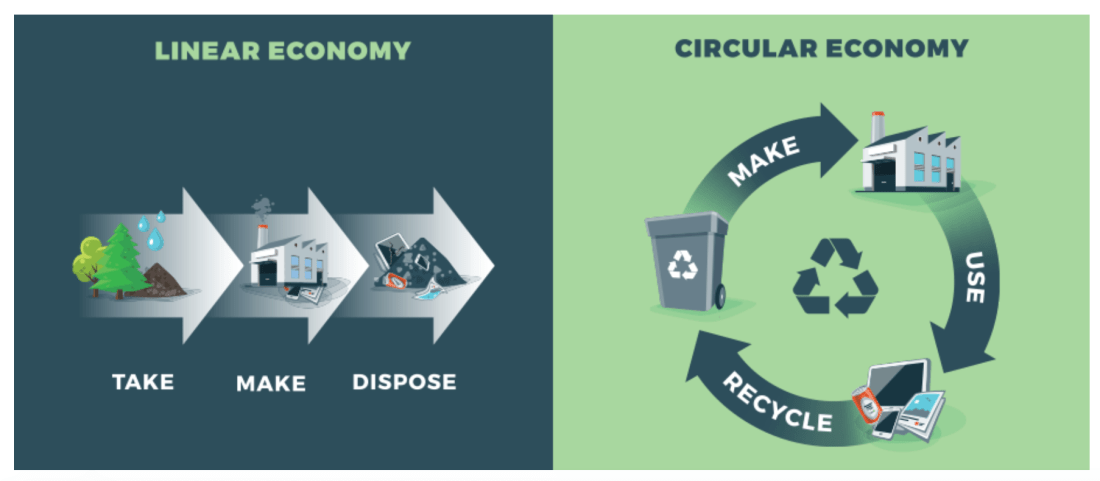
We are moving towards a society that holds individuals and companies more accountable while providing consumers with flexibility never seen before.
But beyond what we learnt in the classroom (or in our case via the Exeter website) what I have found invaluable over the past 7 weeks was gaining the perspective of my fellow classmates on topics and companies that I would not have necessarily thought of. Week 4 found me commenting on Julia’s post about retail and challenges faced by both online marketplaces and brick and mortar stores. The content of this blog was, without a doubt, the inspiration for my post week 6. The seemingly necessary overlap of physical and online accessibility is something that I would not have deemed necessary prior to this course, just check out my first blog post week 2. But now I know that in order to create and sustain a successful business, one needs to have a strong presence in both worlds. So even if I ultimately stay in real estate, I know it is imperative to create some sort of hybrid concept. Reading of Isil’s personal experience with e-commerce and her first-hand knowledge of how these online marketplaces work was a perspective I would have otherwise never gained. Week 6 I had the opportunity to read Caroline’s post on Amazon, which coupled with Isil’s post a few weeks prior gave me an even greater perspective on the company. While we all think we know Amazon because we’re all consumers in one form or another, the level of detail these posts went into giving me a depth of knowledge on aspects I never knew. As one of the worlds largest companies, reading about their trends and challenges moving into 2019, I have a better understanding of where digitalisation and e-commerce will be moving over the coming years. And lastly, Stacey’s post on Airbnb, as I wrote in my comment, I am eager to watch this company over the coming years to see how it evolves and remains relevant in a fast-paced and ever-evolving economy. There is no doubt Airbnb has been a disruptive business model that has thrived in the digital age, but how it maintains that market edge is still to be seen.

Source: giphy.com
Student posts:
Julia – https://wordpress.com/read/feeds/84469613/posts/2159708173
Isil – https://wordpress.com/read/feeds/84077893/posts/2159531721
Caroline – https://wordpress.com/read/feeds/84154059/posts/2176460670
Stacey – https://lifewithahearingloss.wordpress.com/2019/02/15/airbnbs-digital-success/
References:
(1) The Circular Economy. Week 4 course content on the Circular and Sharing Economies. https://vle.exeter.ac.uk/mod/page/view.php?id=840305
(2) Rachel Botsman, November 7, 2016. We’ve stopped trusting institutions and started trusting strangers, Youtube https://www.youtube.com/watch?v=GqGksNRYu8s
(3) Digital Disruption. Week 4 course content on the Circular and Sharing Economies. https://vle.exeter.ac.uk/mod/page/view.php?id=840306

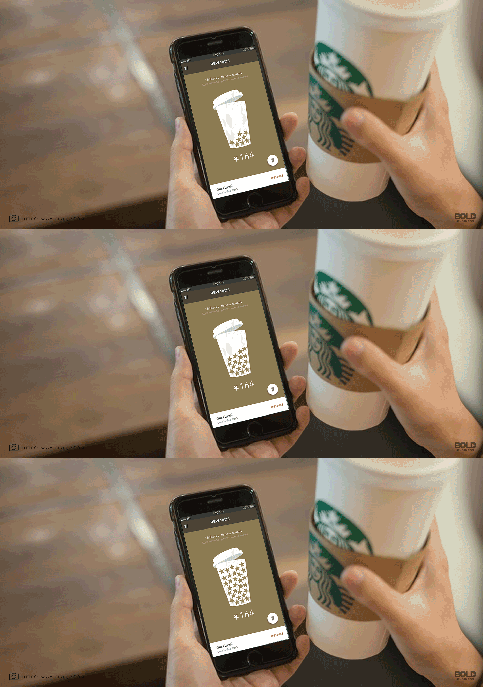
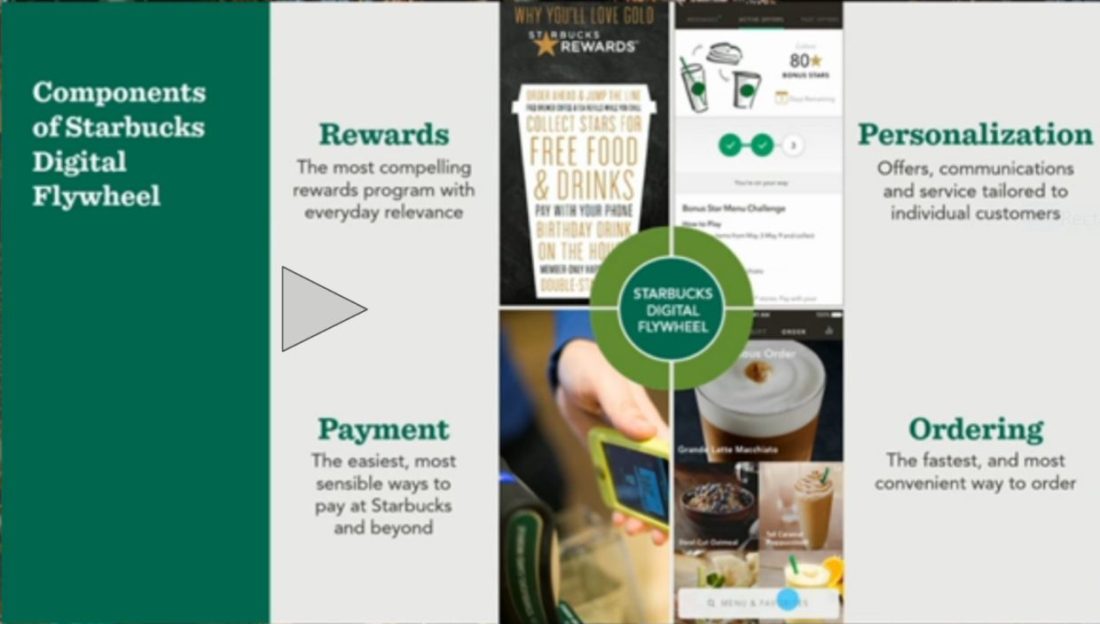
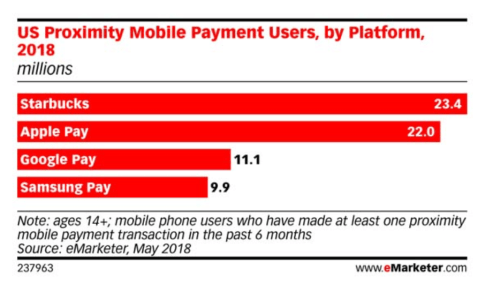
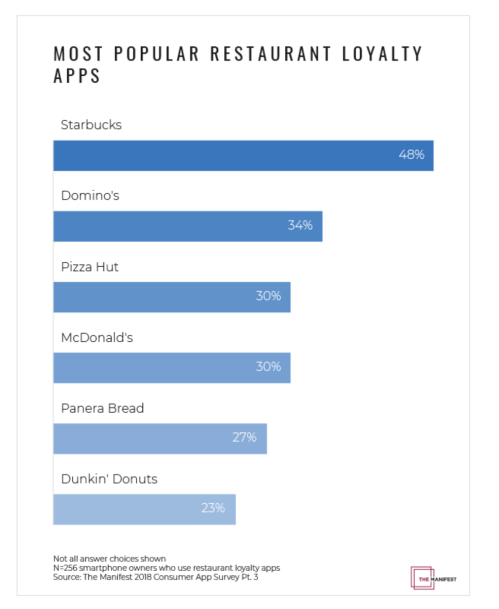
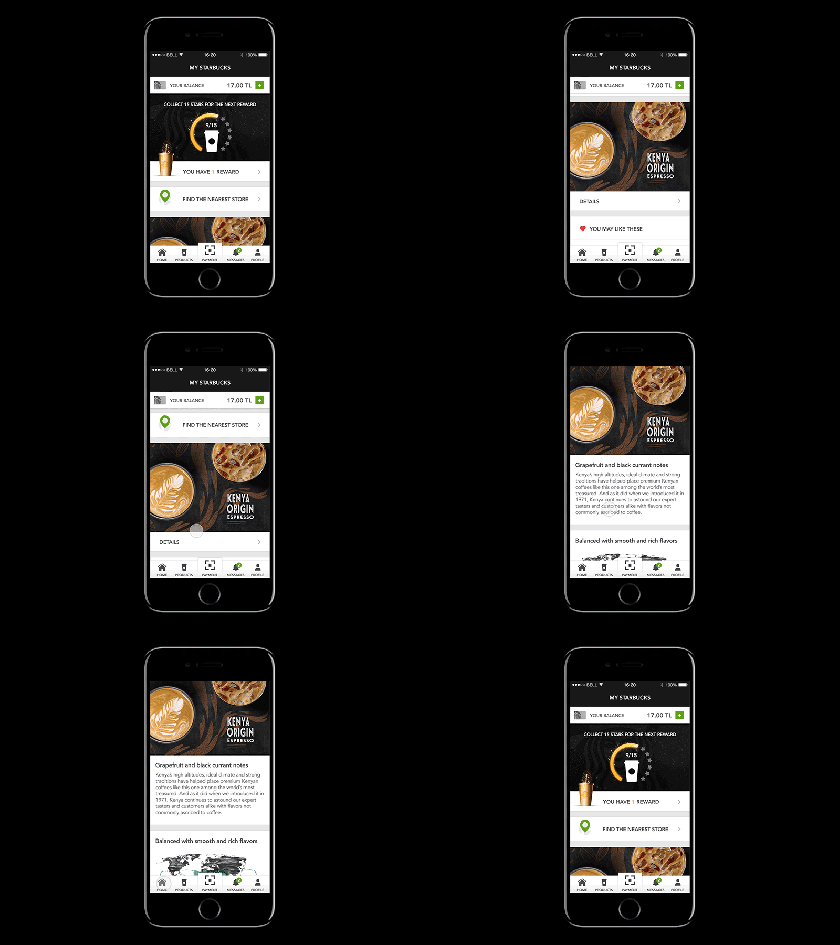
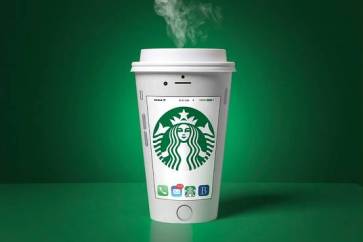 With a strong rewards program, ease of ordering (I mean who doesn’t like to skip the line?) and Spotify integrated into the app, what’s not to love? Seriously though, when you can order your coffee via Amazon’s Alexa, through integration with Ford vehicles and boasting a voice command AI feature within the app to boost speed and convenience (6). Starbucks is certainly keeping digital innovation at the heart of its business model. App personalisation and pushing new products to upsell customers on more expensive or additional items, Starbucks has found a way to draw more value from its customers while keeping them engaged and appreciated. Starbucks also utilizes iBeacon technology to enhance customer engagement. From pop up messages on screen alerting you to nearby a Starbucks or discounts on your usual order, this engagement alerts you to the presence of a Starbucks, making you more likely to go to one.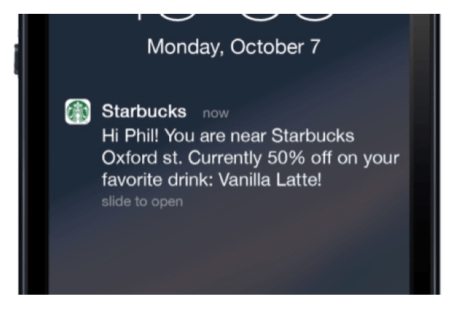

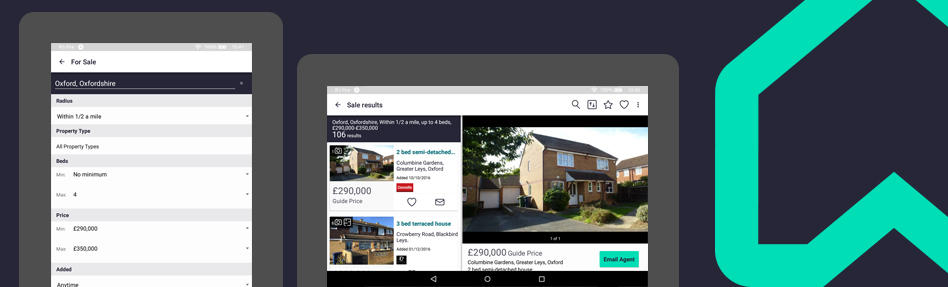
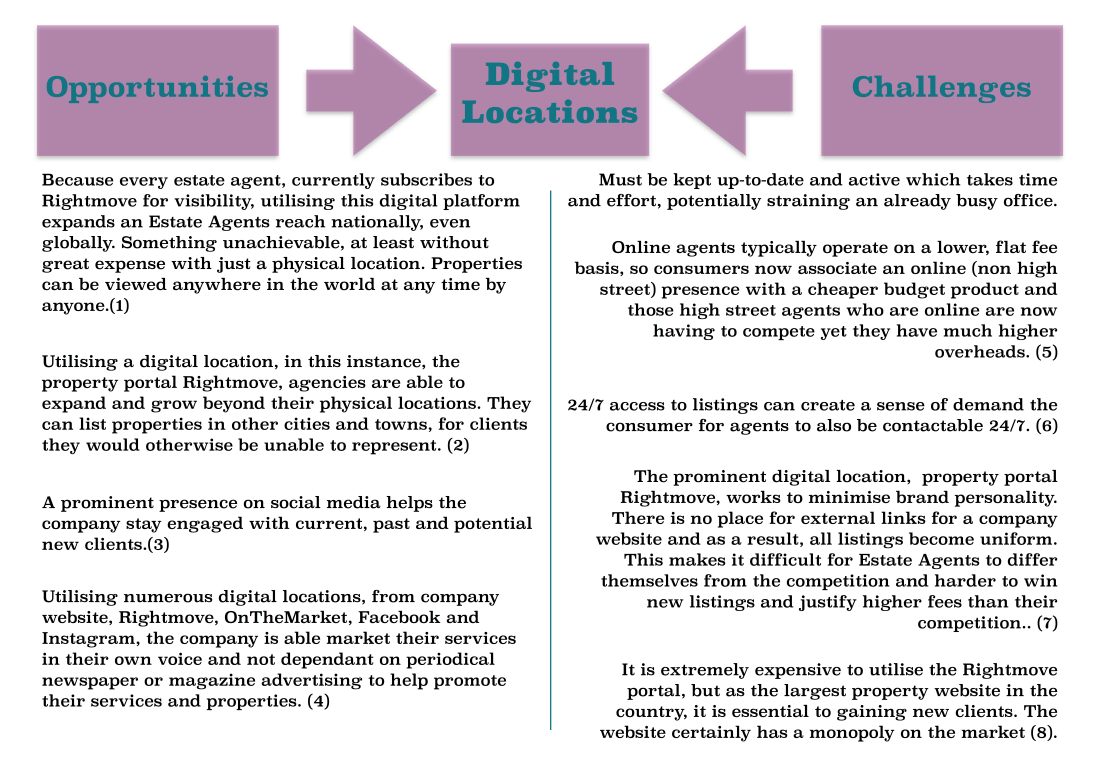
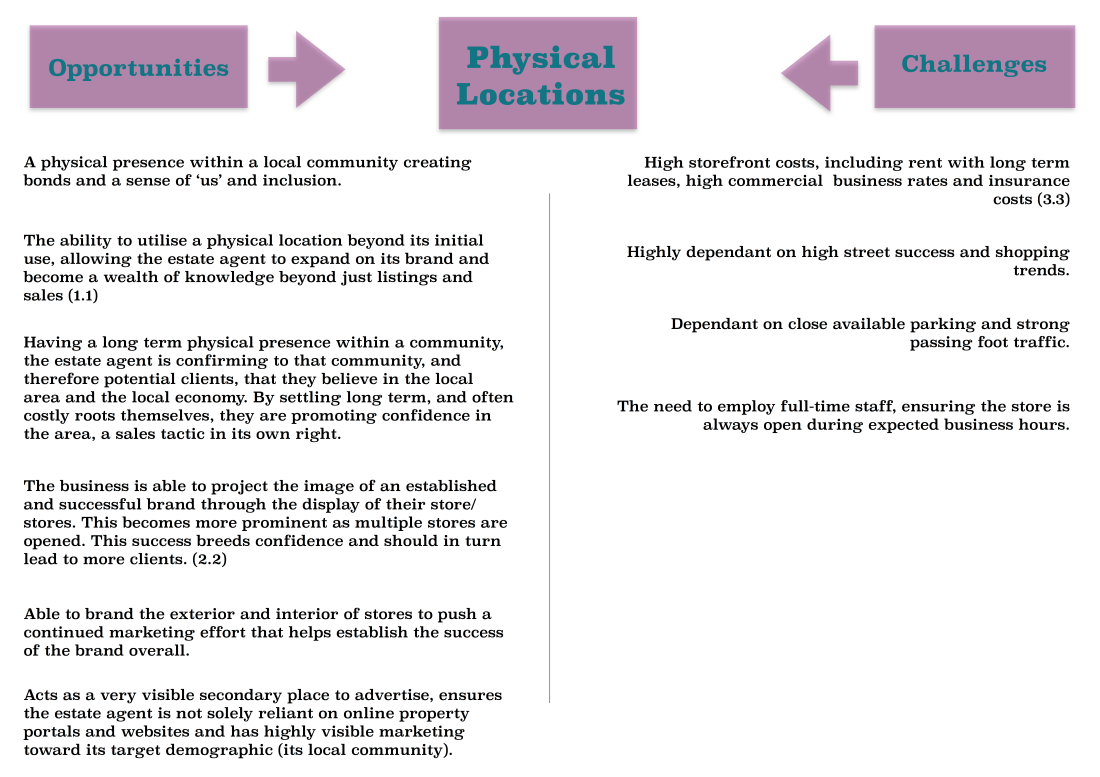


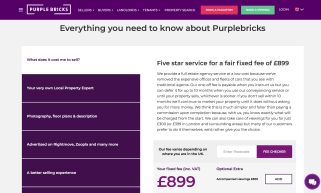
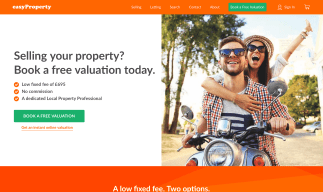
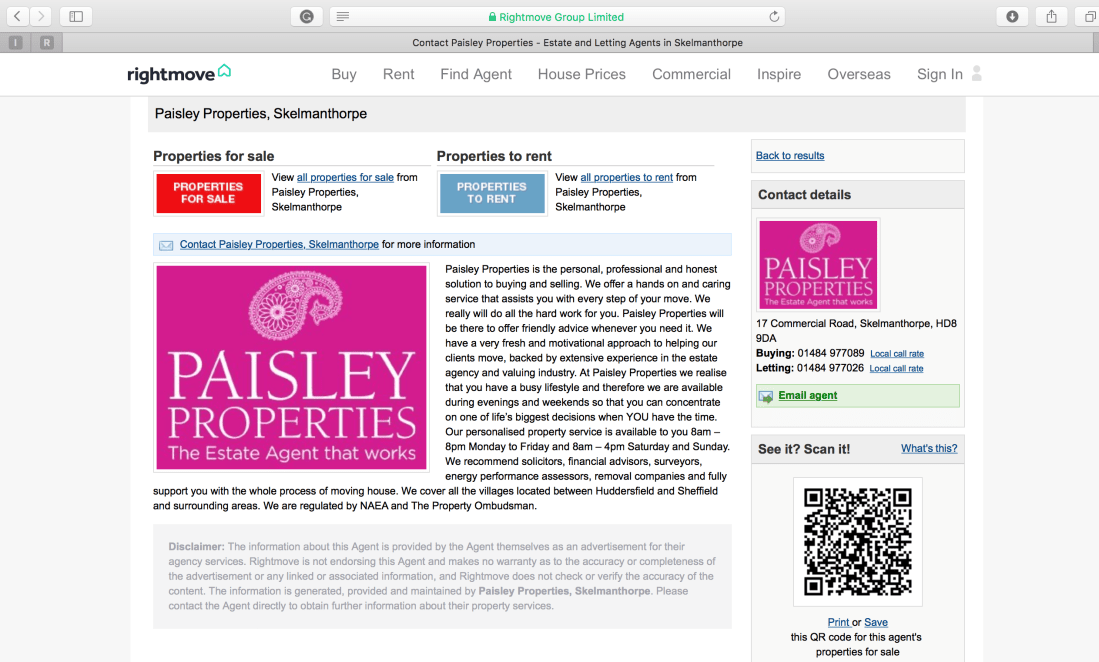
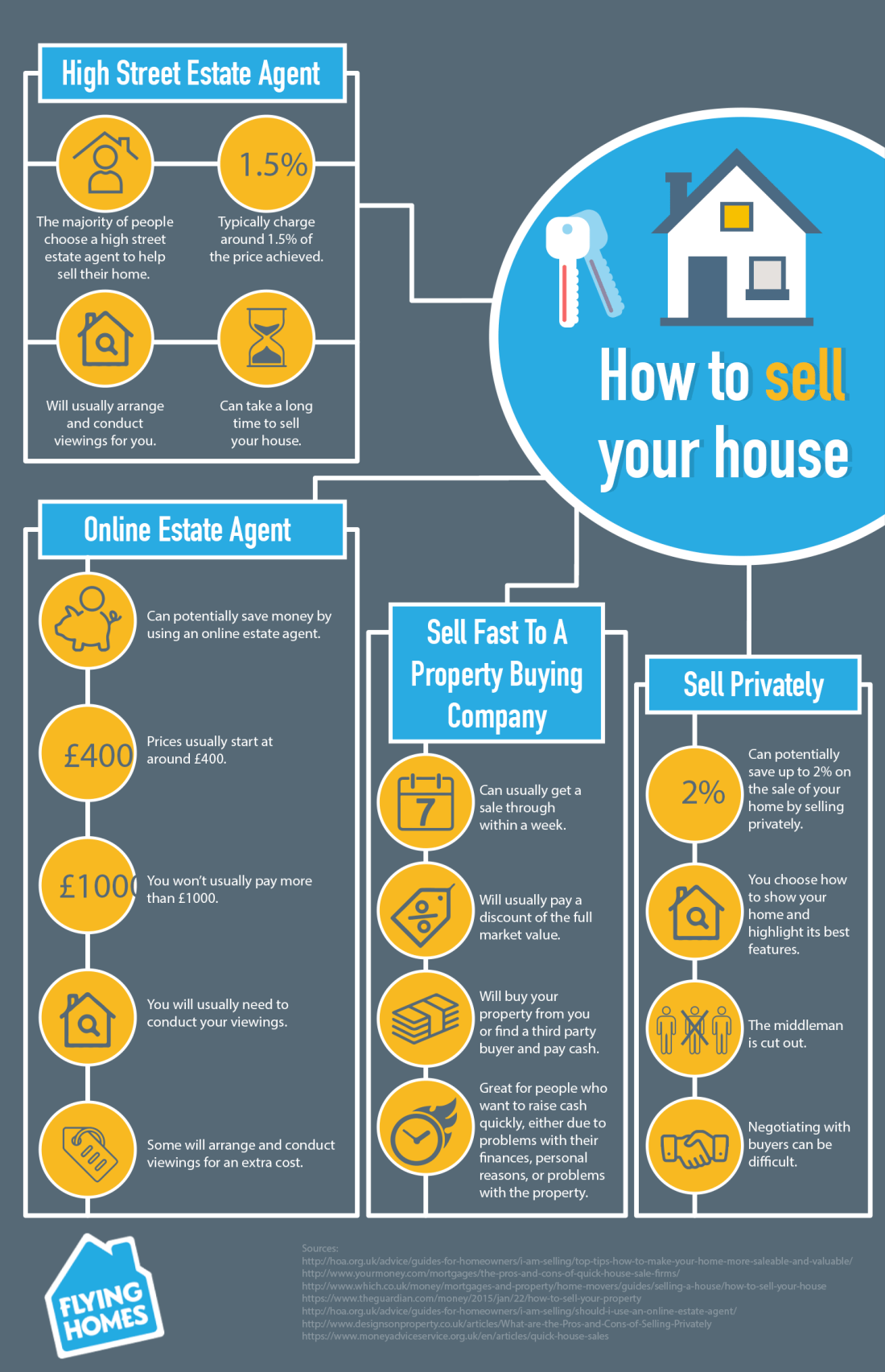
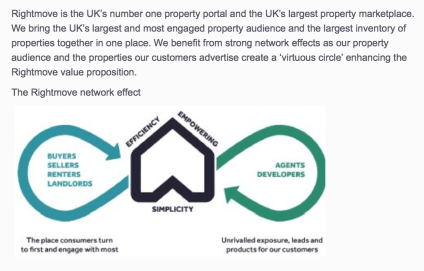
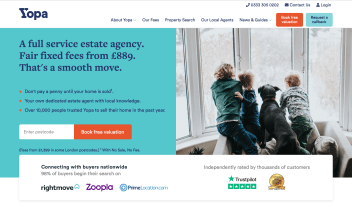 agents which in turn has had a huge impact on the fees hight street agents are able to charge. For example, Paisley Properties has had to introduce a third fee option, designed to match those offered by online agents.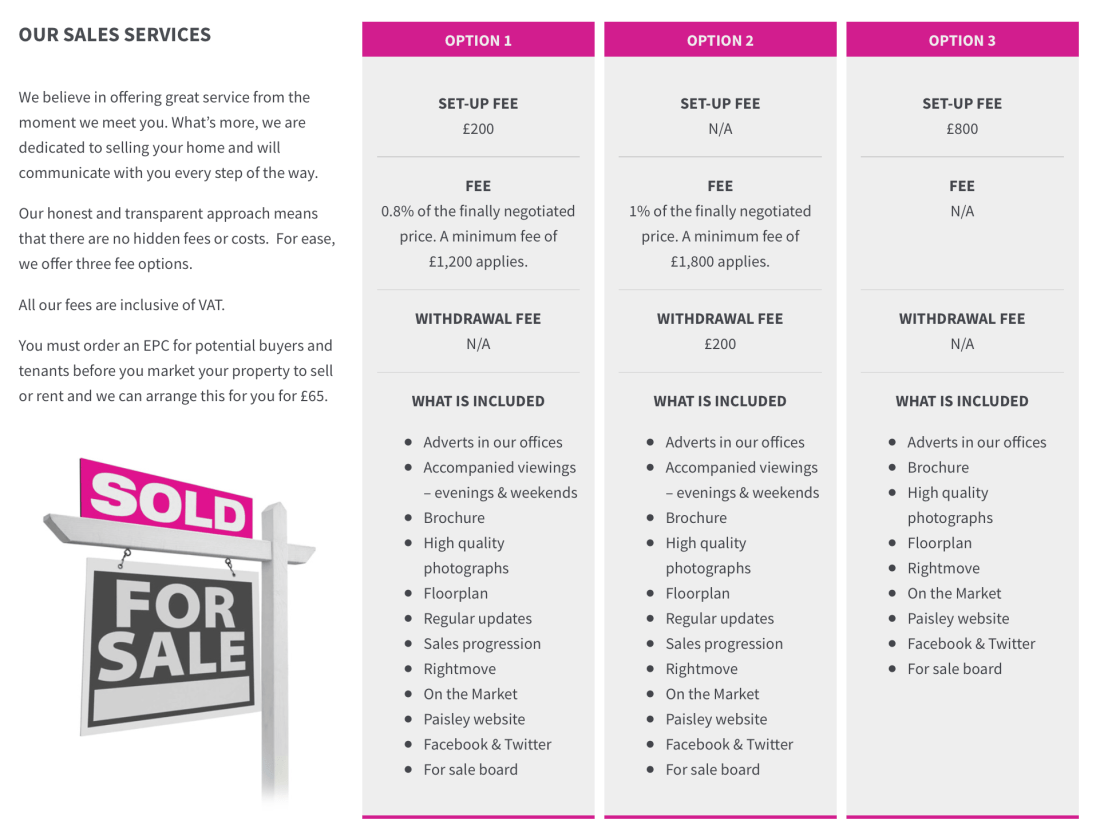



 Digital Business Models